Cybersecurity Daily — Mar 10, 2026
Photo: lyceumnews.com
Tuesday, March 10, 2026
The Big Picture
Patch Tuesday dropped 79 Microsoft fixes — including two publicly disclosed zero-days and an Excel flaw that could turn Copilot into a data exfiltration tool — but the most alarming story today isn't about software. A whistleblower alleges a former DOGE engineer took records on 500 million Americans on a thumb drive, kept his "God-level" credentials, and told a colleague he expected a presidential pardon if caught. CISA is flagging active exploitation of the tools IT teams use to manage everything else, and Russia-linked hackers are stealing Signal and WhatsApp sessions from officials mid-air. The theme today: the people and platforms you trust most are the attack surface.
Today's Stories
Microsoft's March Patch Tuesday: 79 Fixes, Two Zero-Days, and an Excel Flaw That Could Make Copilot Betray You
If you manage Windows machines — or just use one — today is your update day.
Microsoft patched 79 vulnerabilities, including two publicly disclosed zero-days: CVE-2026-21262 and CVE-2026-26127. Neither is confirmed as actively exploited yet, but exploit details were circulating before today's patches. A SQL Server flaw would grant full DBA access: read every record, drop every table.
An Excel bug could let Copilot Agent mode exfiltrate data via a single malicious spreadsheet — a potential zero-click leak for AI-assisted Office users. Several Office RCEs trigger through the Preview Pane — just clicking an email attachment in Outlook can be enough. The Zero Day Initiative flagged CVE-2026-21536 (~9.8) as remotely exploitable without auth, and Rapid7 called out an 8.8 CVSS RCE in Windows Routing and Remote Access Service. Many fixes are privilege-escalation bugs — the tools attackers use to move laterally.
Run Windows Update today. Don't wait for the weekend window.
A Former DOGE Engineer May Have Walked Out of the SSA With 500 Million Americans' Records on a Thumb Drive
This is the kind of breach story that keeps federal investigators and identity theft attorneys busy for years.
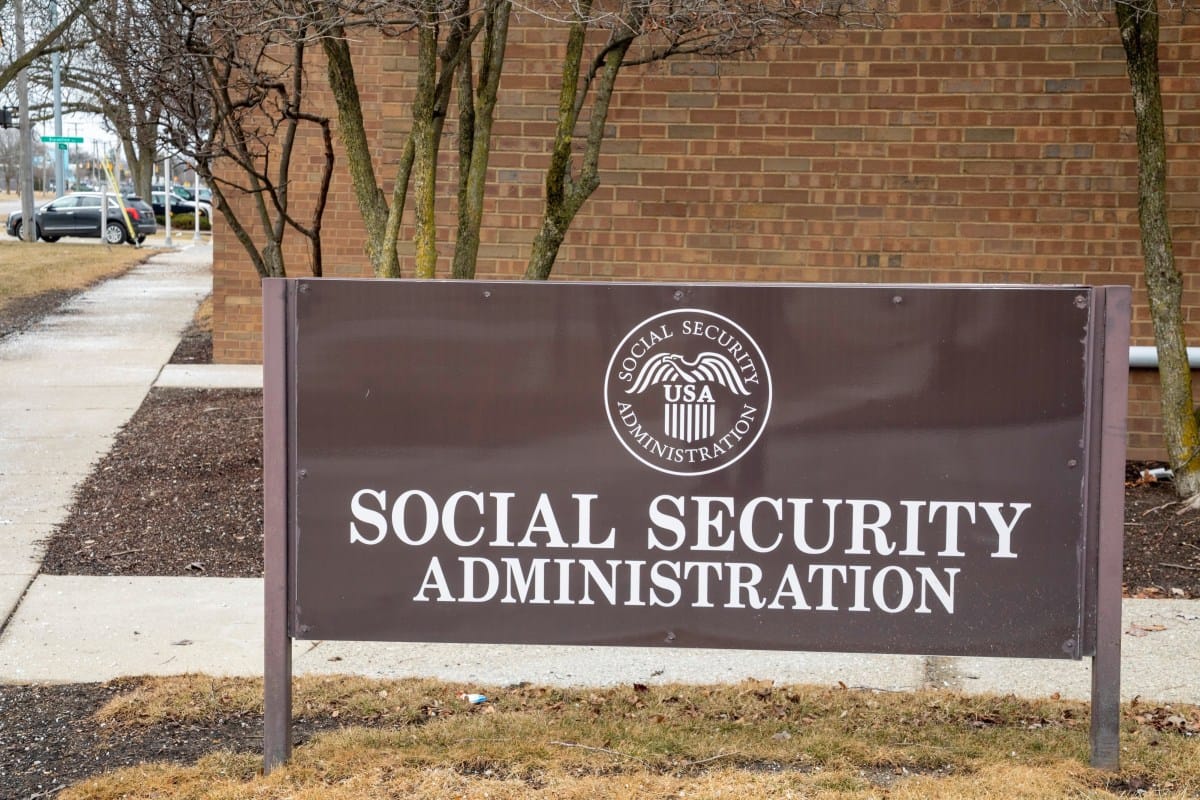
The Social Security inspector general is investigating claims that a former DOGE engineer took two tightly restricted databases — "Numident" and the "Master Death File" — containing Social Security numbers, dates of birth, citizenship, race, and parents' names for more than 500 million living and dead Americans. The complaint says he kept his agency computer and "God-level" credentials after moving to a contractor role, asked a colleague to help transfer the thumb-drive data to his personal machine to "sanitize" it, and said he'd expect a presidential pardon if prosecuted.
The SSA denies theft; the allegations are unproven and the engineer's attorney denies wrongdoing. The inspector general shared the complaint with the GAO and alerted the Senate HSGAC full committee on March 10, 2026; HSGAC Democrats want an independent probe. Two watchdogs reviewing the same claims is a significant escalation. If true, this would rank among the most consequential insider-threat incidents in U.S. government history.
Russia-Linked Hackers Breach Signal, WhatsApp Accounts of Officials and Journalists
Two-factor codes meant to lock your chat apps tight? Russian hackers are stealing them mid-air.
The Netherlands' NCSC warns state-linked actors targeted officials, military personnel, and journalists by intercepting one-time SMS and calls for Signal and WhatsApp via SIM-swapping and SS7 weaknesses. Dozens of high-value accounts were compromised and used for espionage and impersonation.
This was precision targeting, not broad consumer phishing. Move off SMS-based verification to app authenticators or hardware security keys and remove SMS as a fallback wherever possible.
CISA Says Patch Now: Attackers Are Actively Exploiting Ivanti, SolarWinds, and Omnissa Flaws
CISA added multiple vulnerabilities to its Known Exploited Vulnerabilities catalog today, with accelerated patch deadlines — in one case, 48 hours.
Affected products: Ivanti Endpoint Manager (authentication bypass), SolarWinds Web Help Desk (critical command execution, CVSS ~9.8, tied to active ransomware groups), and Omnissa (formerly VMware Workspace ONE) UEM (SSRF enabling deep pivoting). The through-line: attackers target the platforms IT teams use to manage everything else. Compromise those tools and you inherit their control planes. If you run Ivanti, SolarWinds, or Omnissa, treat this as top priority and escalate to your change board now.
⚡ What Most People Missed
An AI just wrote a working Firefox exploit. Anthropic's Claude Opus 4.6 produced a functional exploit for CVE-2026-2796 (CVSS 9.8), a JIT miscompilation bug. It only works in a reduced-security test environment, but Mozilla likened it to "the early days of fuzzing" — meaning a backlog of discoverable bugs and a shrinking timeline from bug to exploit.
A fake AI tool on npm is stealing SSH keys, crypto wallets, and iMessage history. JFrog found a malicious package posing as an "OpenClaw AI" installer that deploys a RAT for credential theft, SOCKS5 proxying, and live browser session cloning. It's been on the registry since March 3, 2026 and remains live. Block it and audit install logs.
Europol dismantled the Tycoon2FA phishing kit and LeakBase forum. Tycoon2FA was a major adversary-in-the-middle service defeating SMS and push MFA in real time. The takedown is confirmed, but expect a successor within 2–4 weeks — that's the pattern.
A critical WordPress plugin bug (CVE-2026-1492, CVSS 9.8) lets unauthenticated attackers create admin accounts. The "User Registration & Membership" plugin is affected; exploitation is underway and mass-scanning bots are creating backdoor accounts. Audit your WordPress admin list today.
Windows Notepad has a remote code execution flaw. CVE-2026-20841 has a public PoC and is trending on Hacker News. Notepad is often allowed in restricted environments and under-monitored, so attackers can use it for persistence or lateral movement. Microsoft released a patch; deploy it.
📅 What to Watch
- If PoC exploit code drops for the Office Preview Pane RCEs (CVE-2026-26110, CVE-2026-26113), expect weaponized phishing within days — these RCEs let attackers compromise systems without opening files, likely increasing enterprise account takeovers and bypassing some sandboxing.
- If the SSA inspector general confirms the databases were actually exfiltrated, expect emergency congressional hearings and potential directives restricting contractor access across federal agencies — immediate contract renegotiations, stricter data-handling clauses, and rapid vendor access changes would follow.
- If major Android OEMs lag in shipping March security patches for Qualcomm chipsets, that gap could enable deployment of persistent commercial spyware across many device families, complicating attribution and raising remediation costs for enterprises and carriers.
- If successor AiTM phishing kits appear after the Tycoon2FA takedown, combined with Teams-based social engineering campaigns, expect more targeted account takeovers that blend chat impersonation with real-time credential relay — boosting lateral moves into privileged consoles and degrading automated anomaly detection.
- If PoCs surface for the AI coding tool PNG exploit or GitHub Semantic Kernel RCE, watch for build artifact poisoning, CI secrets exfiltration, and supply-chain token theft that enable downstream repo compromise and trusted-release hijacks.
Heavy day. Patch everything that moves, lock down who has access, and maybe don't open spreadsheets from strangers for a while. See you tomorrow.