Cybersecurity Daily — Mar 12, 2026
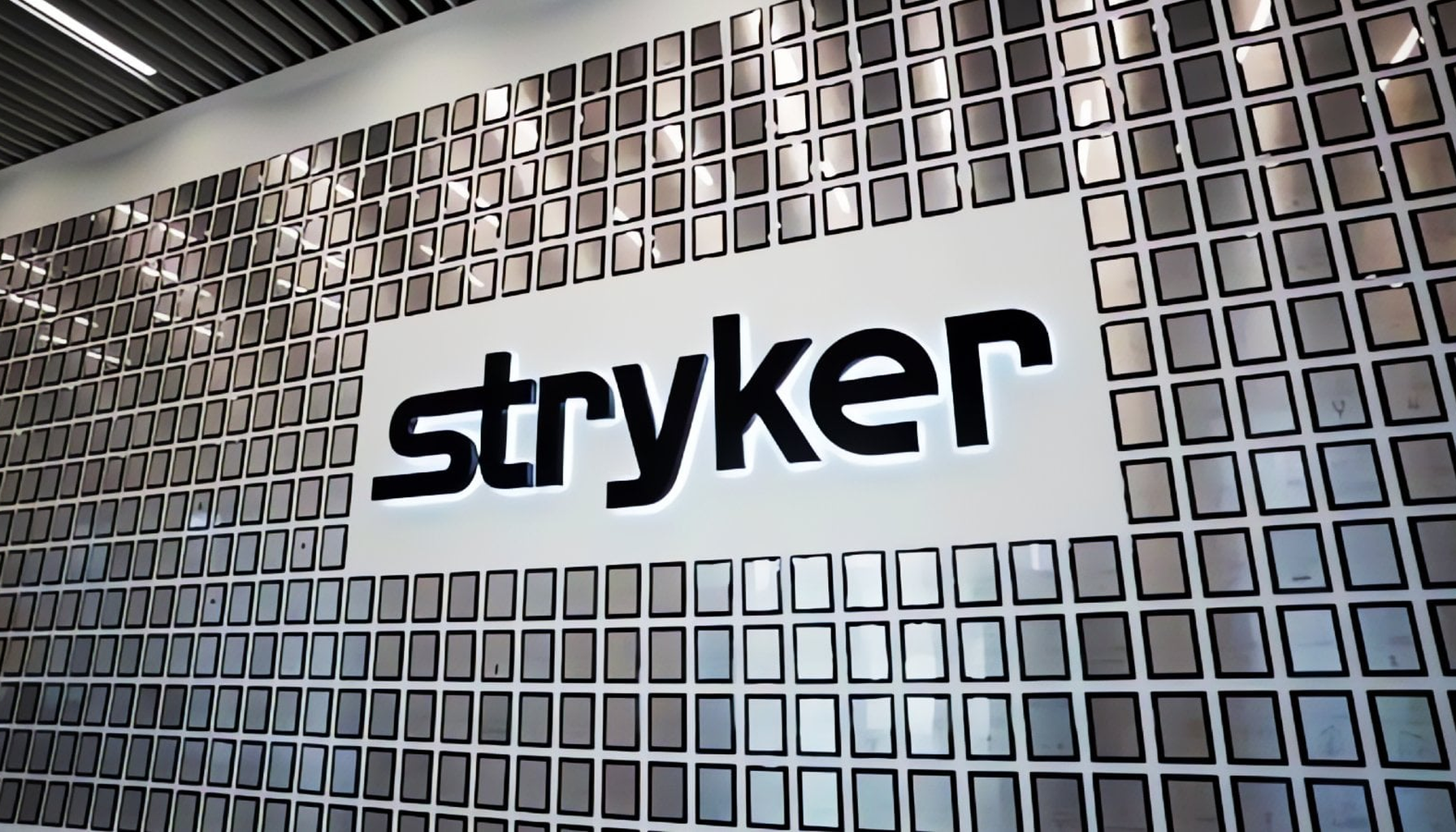
Photo: lyceumnews.com
Thursday, March 12, 2026
The Big Picture
Iran just turned Microsoft's own device management tools into a weapon of mass erasure against a Fortune 500 medical company, wiping 200,000 endpoints across 79 countries overnight. Meanwhile, a working exploit for the Windows Notepad RCE bug hit GitHub, CISA flagged an actively exploited automation platform most security teams forgot they were running, and SAP patched a critical flaw with Log4j's fingerprints all over it. The theme today: the tools you trust to manage everything — your devices, your workflows, your text editor — are the tools being weaponized against you.
Today's Stories
Iran-Linked Hackers Wiped a Fortune 500 Medical Giant — Using Microsoft's Own Tools
Medical device giant Stryker — $22.6 billion in annual sales, 53,000 employees, surgical robots in operating rooms worldwide — woke up Wednesday to find its systems erased. Not encrypted. Not held for ransom. Erased. The Iranian-linked hacktivist group Handala claimed the attack, and the method is what should keep every IT administrator awake tonight.
According to Krebs on Security, the attackers compromised Stryker's Microsoft Intune tenant — the cloud console IT teams use to manage and secure corporate devices — and issued a mass remote wipe command. They didn't need exotic malware. They used the "factory reset" button that already existed, at scale. Over 200,000 devices across 79 countries went dark. Employees saw the Handala logo on their login screens as their machines reset mid-workday. Some offices reported 95% of devices wiped during the incident. Staff were told to remove corporate apps from personal phones immediately.
The Wall Street Journal confirmed the Intune-based wipe vector. NBC News called it the first significant Iranian cyberattack on an American company since the U.S.-Israeli strikes on Iran began in late February. Stryker filed a regulatory disclosure Wednesday afternoon saying the timeline for full restoration is unknown.
This isn't just an IT story. Stryker makes surgical robots, orthopedic implants, and hospital beds. Locations reverted to pen and paper. Hospitals relying on Stryker's just-in-time supply chains for active procedures need backup plans now.
Handala is linked by Palo Alto's Unit 42 to Iran's Ministry of Intelligence and Security. The group said the attack was retaliation for a February 28 missile strike that killed at least 175 people at an Iranian school. Their targeting logic, according to reporting, focuses on business ties to Israel: acquisitions, partnerships, investor filings.
If your organization uses Intune to manage devices, audit admin account access and MFA today. The attack vector is now public, proven, and trivially replicable. Your incident response playbook needs to include tenant credential rotation, revoking admin tokens, and certifying device enrollments — before someone else does it for you.
The Notepad PoC Is Out — If You Haven't Patched, You're Out of Time
A working proof-of-concept exploit for CVE-2026-20841 — the Windows Notepad remote code execution vulnerability patched in February — appeared on GitHub today. The window between PoC publication and active phishing campaigns is typically days.
The bug affects the modern Windows Notepad (the Store app with Markdown support), not the classic Notepad.exe. An attacker lures someone into opening a crafted .md file and clicking a link inside it, which triggers untrusted protocol handling that executes remote code. CVSS 8.8. The weapon is a text file. Delivery is an email attachment.
The critical operational detail: Store apps can silently fall out of date when automatic updates are disabled or enterprises don't enforce app version compliance. The fix is Notepad build 11.2510 or later, delivered via the Microsoft Store. Open the Store, check your version, push a compliance policy. Consider flagging .md attachments at your email gateway if your users have no legitimate reason to receive them.
CISA Flags Actively Exploited n8n Automation Bug — Patch Your Forgotten Workflows
CISA added CVE-2025-68613 to its Known Exploited Vulnerabilities catalog — a critical remote code execution flaw in n8n, the popular open-source workflow automation platform. "Known Exploited" means this isn't theoretical; attackers are actively using it in the wild.
n8n is the tool that lets teams build "when X happens, do Y" automations with a visual interface. The bug allows unauthenticated attackers to run arbitrary code on exposed instances — effectively hijacking your automation server along with every API key, database credential, and cloud integration it touches.
The problem: n8n is often deployed by individual teams or hobbyists, not central IT. Tens of thousands of instances are internet-reachable. If your organization lets teams spin up their own automations, this is an urgent asset-management problem hiding in plain sight. Update immediately, put it behind authentication, and kill any stray test instances.
SAP Patches Critical Flaws — One Is a Log4j Time Bomb
SAP released fixes for 15 vulnerabilities on its scheduled Patch Day, and two are critical. The worst — CVSS 9.8 — is a code injection flaw in SAP's Quotation Management Insurance software caused by an old, vulnerable version of Apache Log4j still embedded in the product. The second is a 9.1-rated flaw in SAP NetWeaver Enterprise Portal enabling arbitrary code execution by a privileged attacker.
Neither has been seen exploited in the wild yet, but attackers have well-oiled machines for finding and exploiting Log4j vulnerabilities. Any unpatched, internet-facing SAP system is a prime target. Treat these as emergency patches.
⚡ What Most People Missed
Handala also claimed a simultaneous attack on payments giant Verifone, which denied any disruption. If genuine, the Verifone claim would mark a shift toward payments infrastructure and increase systemic risk to retail and point-of-sale ecosystems; treat the denial as preliminary until technical corroboration appears.
Iran's internet has been at 1–4% connectivity since February 28, amid which state-backed units such as APT33 and APT34 may have their operations constrained. What we're seeing is mostly diaspora hacktivists and pre-positioned proxies. When connectivity recovers, threat posture could upgrade and observers should watch for renewed coordination.
An AI autonomously discovered a 9.8-severity RCE bug in Microsoft's cloud. An autonomous pen-testing platform called XBOW was credited with finding CVE-2026-21536 in the Microsoft Devices Pricing Program, patched this Patch Tuesday. This isn't a lab demo anymore — AI is finding critical vulnerabilities in production at machine speed, which compresses the patching timeline for everyone.
A new botnet called KadNap has hijacked 14,000 ASUS routers to route criminal traffic through residential IP addresses. If you manage a remote workforce, compromised home routers are persistent pivot points into corporate VPNs. Check firmware, enforce replacement timelines for end-of-life devices, and monitor for unusual outbound proxying.
Stryker's Ireland operations — up to 5,000 employees across six manufacturing facilities — are affected. Ireland's National Cyber Security Centre is responding. Under NIS2, expect a formal EU disclosure process in the coming days, adding regulatory complexity to an already catastrophic incident.
📅 What to Watch
- If Stryker confirms the 50TB data-exfiltration claim, it will trigger HIPAA breach-notification obligations for affected patient data; watch for a separate breach disclosure within 60 days that would force downstream partners to conduct expedited forensic analyses and consider contractual breach notices.
- If Iranian internet connectivity recovers above ~20%, Unit 42 warns APT33 and APT34 could resume coordinated, high-fidelity operations — that would raise the risk of sustained, multi-vector campaigns targeting Western supply chains and critical infrastructure.
- If Handala publishes stolen Stryker data to Telegram, organizations that shared procurement, clinical trial, or employee data with Stryker in recent years could be forced to rapidly revoke credentials, suspend shared workflows, and respond to regulatory inquiries into third-party data handling.
- If follow-up forensics confirm Intune misconfiguration as the entry point, expect enterprise customers to demand tenant-level safety defaults and configuration audits; vendors may face emergency requests to ship default-on protections in the coming days.
- If CISA issues a tight remediation deadline for CVE-2025-68613 in n8n, organizations will be forced to inventory and patch hundreds of automation instances quickly and could see formal federal guidance or requirements to centralize management of workflow platforms.
A Fortune 500 company brought to its knees by its own "reset to factory settings" button, a text editor weaponized through a Markdown file, and 14,000 home routers quietly moonlighting for criminals. Somewhere, an Intune admin is staring at their MFA settings the way you'd stare at a door you're suddenly not sure you locked.
Stay paranoid.