Defense Tech Daily — Mar 10, 2026
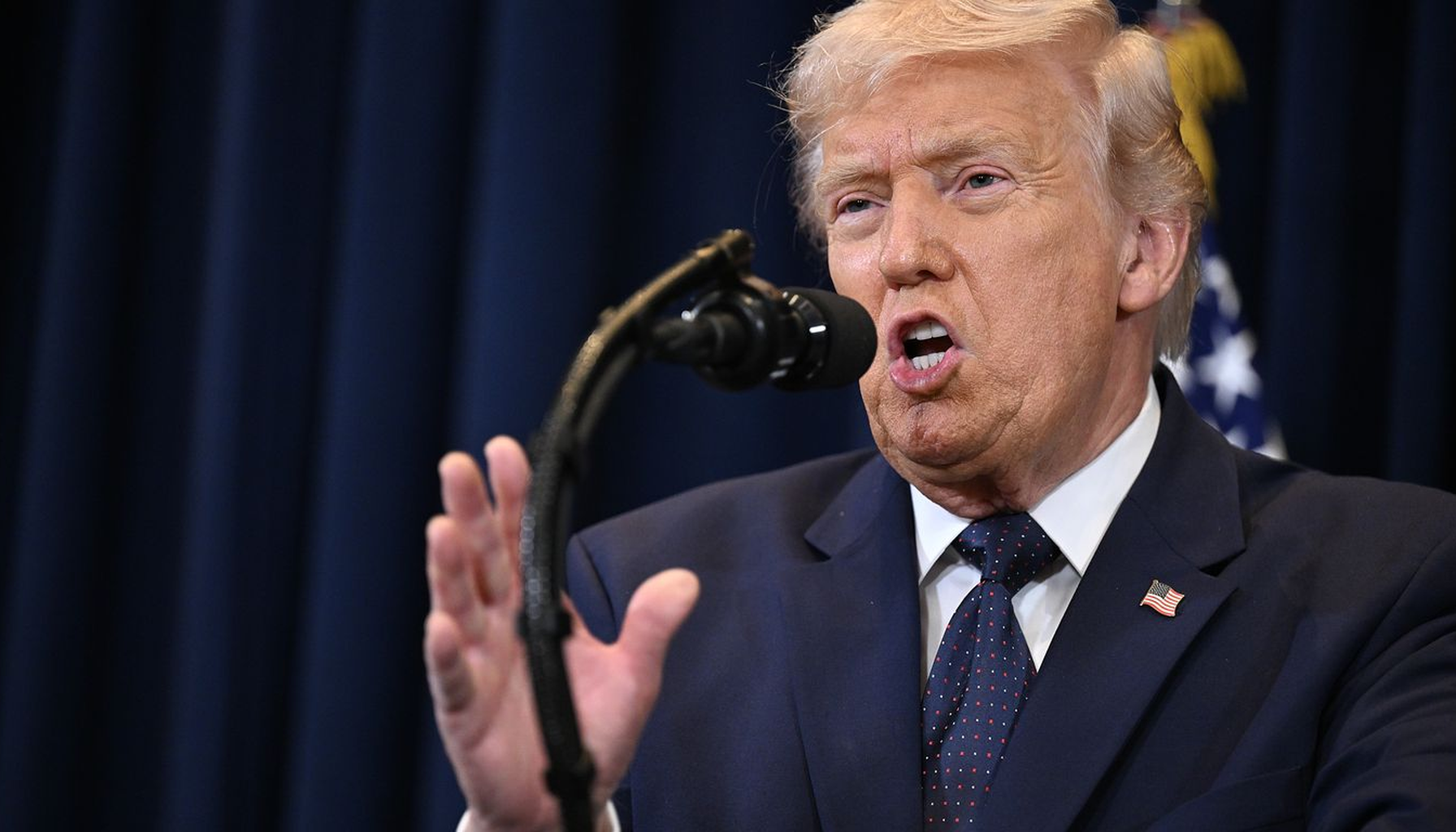
Photo: lyceumnews.com
Tuesday, March 10, 2026
The Big Picture
Iran began laying mines into the world's most important oil chokepoint, the U.S. said it destroyed 16 mine-laying vessels in about an hour — and the scary part is that the Navy retired its last dedicated minesweeper six months ago. Simultaneously, 11 countries are asking Ukraine for cheap drone-killers Washington rejected last year, and Anthropic sued the Pentagon after being labeled a national-security risk like a Chinese military supplier. The common thread: we’re short on the kinds of weapons we actually need, and that mismatch is a live crisis.
Today's Stories
The U.S. Says It Destroyed 16 Mine-Laying Vessels in an Hour. Here's Why That's Not the Scary Part.
The Strait of Hormuz is a 21-mile-wide bottleneck between Iran and Oman. About a fifth of the world's oil passes through it. After Iran began laying naval mines, the U.S. military destroyed 16 Iranian mine-laying vessels — Trump announced it himself, and Central Command posted strike video.
The hard part is scale and stealth. Iran likely has 5,000 to 6,000 sea mines, and small boats, disguised fishing vessels, or subs can plant them. One confirmed mine can make the strait a no-go for commercial shipping: insurers pull cover, tankers stop, and nearly 15 million barrels per day of crude could be disrupted.
The Navy retired its last dedicated minesweeper in the Gulf last September and relies on Littoral Combat Ships with untested mine-countermeasures modules — derided as "Little Crappy Ships". Autonomous minehunters exist but would take weeks or months to clear a dense field, and only after a ceasefire.
Modern "influence mines" sit on the seabed and detonate on magnetic or acoustic cues; some niche sources say Iran’s may have remote-detonation or timed features to maximize economic damage. And in a sign of the fog: Energy Secretary Chris Wright posted on X that the Navy had escorted a tanker through the strait — then deleted it; the White House later said no escort occurred. In a waterway carrying 20% of global oil, that gap matters.
Ukraine's $1,000 Drone Killer Is Now the World's Hottest Defense Export
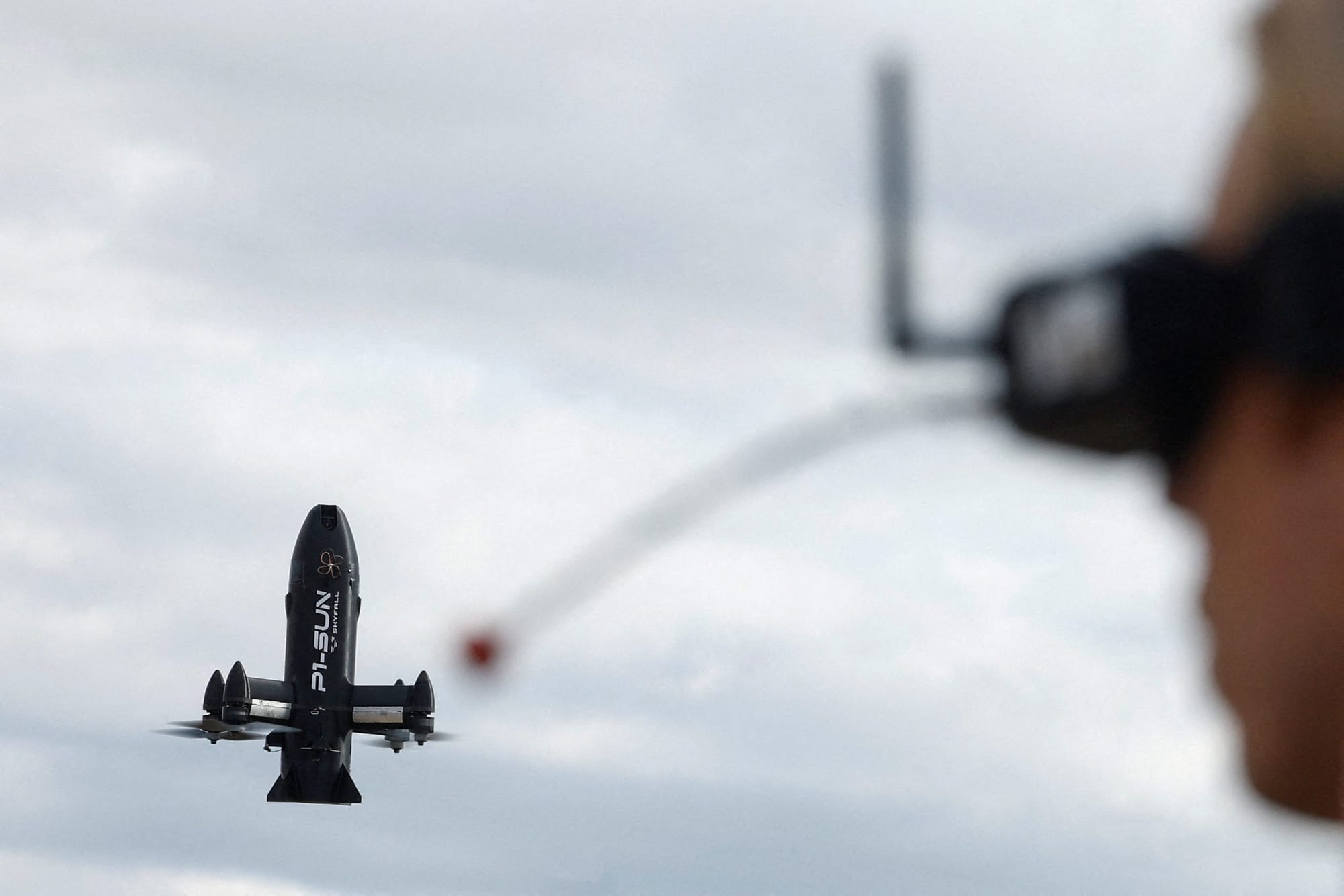
Four years ago, Ukraine was on the receiving end of thousands of cheap Iranian drones. Today, 11 countries — including the United States — have asked Kyiv for help shooting them down.
Zelenskyy confirmed Ukraine already deployed interceptor drones and specialists to protect U.S. bases in Jordan, sending the team the day after Washington asked. Teams are expected in Qatar, the UAE, and Saudi Arabia this week.
Embarrassingly, Axios reports that last year Zelenskyy privately offered Trump a package of Ukrainian interceptors; Washington passed. After Iran's massive salvos, the U.S. returned asking for help.
The arithmetic is brutal. Gulf states burned through 800 Patriot missiles in three days — more than Ukraine used in four years. Each Patriot interceptor costs about $4 million versus a Shahed at $30,000; Ukraine's interceptors run $1,000 to $2,000. One maker says it could produce 50,000 interceptors per month.
Ukraine sells more than hardware: a methodology. Sky Fortress pairs 10,000+ acoustic sensors — microphones on poles feeding AI over mobile networks — to detect drones under radar. Ukrainian teams report shoot-down rates above 80%. The Pentagon and a Gulf government are in talks to buy the package; a Saudi deal would be the first major Gulf purchase of kit built in an active war zone.
The AI Industry Just Sued the U.S. Government Over Who Gets to Set Limits on Military AI
Anthropic launched two lawsuits today contesting the Pentagon's decision to designate it a "supply-chain risk" — a label previously reserved for foreign adversaries like Chinese military-linked firms. Hours later, Google's chief scientist Jeff Dean and more than 30 employees from Google DeepMind and OpenAI filed an amicus brief warning the blacklist threatens the entire American AI industry.
The fight began when CEO Dario Amodei refused a Pentagon clause allowing "any lawful use" — he drew lines against mass surveillance and autonomous weapons. The Pentagon struck a deal with OpenAI, and Defense Secretary Pete Hegseth moved to blacklist Anthropic from military work. Amodei called OpenAI's portrayal of its Pentagon deal "straight up lies."
Meanwhile, Google is rolling out Gemini-powered agents on unclassified Pentagon networks that could reach 3 million service members and civilians. Nearly 900 Google and OpenAI employees signed a letter urging leaders to refuse autonomous lethal-targeting requests. Whether private firms can set ethical limits on military use of their tech is headed for federal court — and that ruling will set a wide precedent.
The Pentagon Burned $5.6 Billion in Munitions in 48 Hours
Three Pentagon officials told reporters the U.S. expended roughly $5.6 billion in advanced weaponry in the first two days of strikes against Iran. That burn rate is reshaping procurement.
The response is threefold: refill stockpiles (slow and costly), accept greater risk elsewhere, and pivot to cheaper attritable systems like drones and electronic warfare. Signal: the Pentagon awarded Lockheed Martin a contract to buy tooling and expand Long Range Anti-Ship Missile production — a bet current inventories won't suffice.
Patriot math makes it concrete: Lockheed delivered 620 PAC-3 interceptors in 2025. The Gulf burned through 800 in three days — the year's output gone in a week. Firing $4 million missiles at $30,000 drones is an unsustainable economic strategy.
📅 The Army Quietly Cleared the 82nd Airborne's Calendar
The Army abruptly canceled a major headquarters exercise for the 82nd Airborne Division — America's fastest ground-entry force, capable of deploying 4,000–5,000 soldiers within 18 hours to seize airfields, reinforce embassies, or run evacuations.
Officials say no deployment orders have been issued. Pulling a division headquarters from training keeps planners and communications networks at home for contingency planning. Canceling training to keep the fastest reaction force on standby signals how seriously the Pentagon views the next 48 hours — even if it won't say so publicly.
⚡ What Most People Missed
- Russian components are showing up inside Iranian drones hitting Gulf states. Zelenskyy noted that "more information is emerging about Russian components in Shaheds" striking Iran's neighbors. If Russian electronics are in weapons hitting U.S. allies, why those chips still leave Russia becomes a sanctions-enforcement emergency.
- The Air Force is hunting for batteries that last 2–4x longer. A new research solicitation seeks dramatic improvements in energy density for drone endurance, missile seekers, and space assets. Better batteries are the unglamorous bottleneck holding back cheap counter-drone systems that could replace million-dollar interceptors.
- Space Force is building a shared orbital "radar screen" with Canada. A formal request went out to industry for an allied space domain awareness command-and-control system — a shared dashboard of who sees what in orbit. Moving space tracking from national stovepipes to allied networks speeds how partners spot and respond to threats against satellites that navigation, targeting, and communications depend on.
- The Pentagon just standardized how counter-drone systems get tested — and clarified the privacy rules around those tests. Common test standards turn ad-hoc drone-defense demos into a repeatable industrial pipeline, making it far easier for vendors to know what will actually get fielded.
- A 1,300-pound dead NASA satellite is falling back to Earth today, and Space Force is providing the reentry window. The civilian story is "low risk, mostly burns up." The defense angle: the same tracking software used for this reentry is what you'd rely on if an adversary's spy satellite started acting up.
📅 What to Watch
- If Iran deploys mines from submarines or unmarked civilian boats in the next 48 hours, it could indicate today's surface strikes were cosmetic — and would leave the U.S. with a mine-clearing problem for which it lacks dedicated ships and trained crews.
- If Anthropic's lawsuit reaches a preliminary injunction hearing this week, the ruling would become a key legal precedent for how far the government can compel or restrict AI companies' participation in defense programs — future protests or contract clauses will cite it.
- If Saudi Arabia signs the Ukrainian drone deal before Friday, it creates a new arms-trade model where battlefield-tested startups from active war zones leapfrog traditional defense contractors — watch the contract text for joint production or tech-transfer clauses that would lock in local manufacturing.
- If the Navy publicly announces mine-countermeasures operations in the Gulf, autonomous underwater vehicles get their first genuine combat test — the results will determine whether the decision to retire dedicated minesweepers looks prescient or a strategic gap.
- If Space Force locks in launch dates for the Epoch 2 missile-tracking satellites this year, it signals Washington treats hypersonic-missile warning as an urgent operational requirement and will likely shift funding from R&D accounts into procurement and operations budgets, accelerating fielding.
Mines from the last century. Drones that cost less than a used car. A lawsuit over whether AI companies get to say no. The future of warfare keeps arriving in the strangest packaging. See you tomorrow.