The Lyceum: Virginia Daily — Apr 01, 2026

DRAFT:
Wednesday, April 1, 2026
The Big Picture
Virginia's most consequential April in a generation is now fully live: Governor Spanberger has 12 days to act on an assault weapons ban, a Tysons casino, and more than 1,100 other bills — while a budget stalemate over data center taxes barrels toward an April 23 special session. A court just voided the zoning for Northern Virginia's largest proposed data center corridor, a SNAP soda restriction that was supposed to start today quietly didn't, and the redistricting referendum ad war has gone personal with 20 days to go. This is not a drill week.
Today's Stories
The SNAP Soda Ban Was Supposed to Start Today. It Didn't.
April 1 was the date roughly 800,000 Virginia SNAP recipients were supposed to lose the ability to buy sodas, energy drinks, and other sweetened beverages with their benefits. The change — announced December 10, 2025, under a federal healthy-food waiver — came and went without taking effect.
The delay appears to be an administrative issue on the federal side: state notices now point to an implementation date of October 1, 2026, while officials finalize retailer guidance and point-of-sale system changes. For grocery chains and convenience stores that had been preparing compliance updates, the six-month reprieve means sunk costs on training and signage that now sit idle. For recipients, nothing changes at the checkout line — yet.
What to watch: if USDA formally pushes the date to October, Virginia becomes a test case for whether states can actually execute these restrictions without months of retailer chaos. If the waiver paperwork gets corrected faster, a surprise mid-summer rollout could catch stores flat-footed. The signal is whether VDSS issues a public revised timeline in the next two weeks.
Court Voids Prince William "Digital Gateway" Zoning — and the Data Center Tax Fight Gets Messier
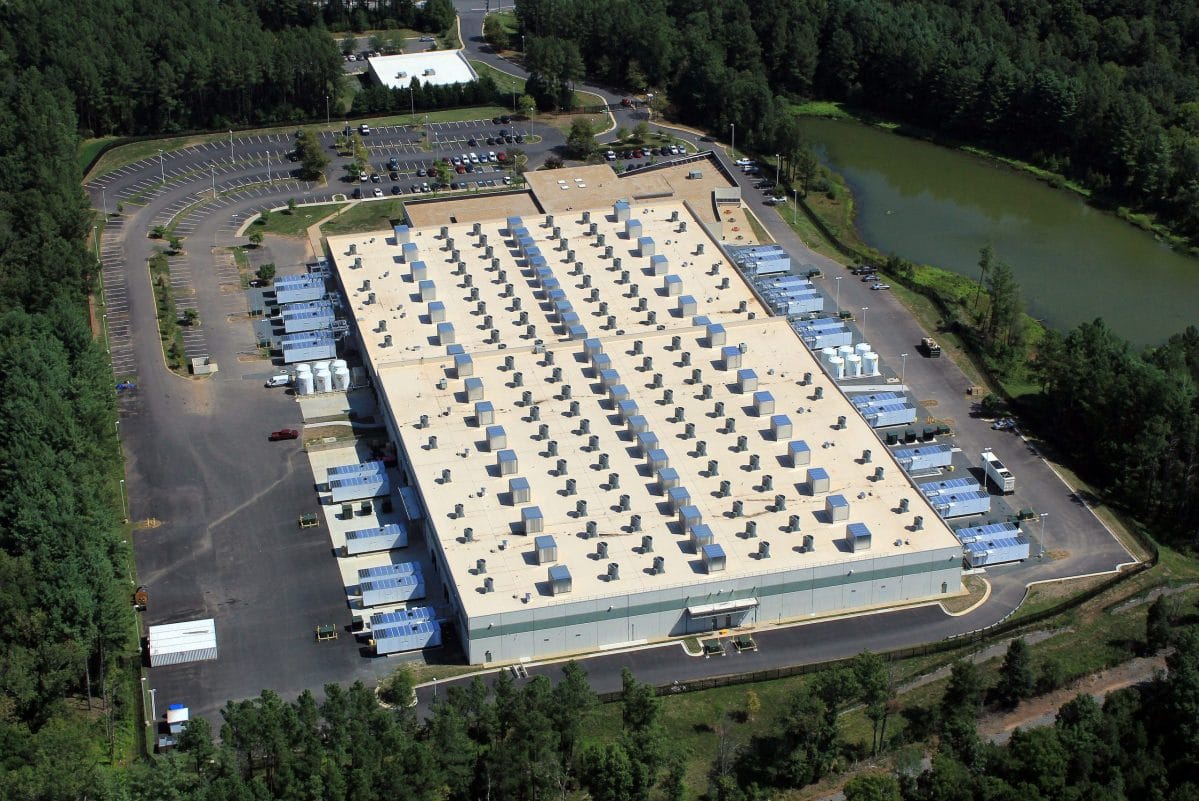
The Virginia Court of Appeals invalidated the zoning permits for Prince William County's Digital Gateway — the largest proposed data center corridor in the state — after finding the county failed to meet statutory public-notice requirements during the rezoning process. The ruling voids the approvals "ab initio," meaning the legal fiction is that they never existed.
Practically, developers face two paths: restart the entire rezoning with corrected notice and public hearings, or appeal to the Virginia Supreme Court within roughly 30 days. Either route adds years and uncertainty to a multibillion-dollar campus that was supposed to anchor the next wave of Northern Virginia server-farm expansion.
The timing is brutal. Economic development officials published a Cardinal News op-ed today arguing that Virginia shouldn't let backlash against projects like Digital Gateway become a de facto moratorium. They cite JLARC data: 74,000 jobs, $5.5 billion in labor income, and $9.1 billion in annual GDP from the data center industry. But the court ruling hands ammunition to legislators who want to tighten the state's data center sales tax exemption — the central unresolved question heading into the April 23 budget special session.
If the Supreme Court takes the appeal and upholds the lower court, every large-scale data center rezoning in Virginia with similar notice defects becomes legally vulnerable. If the developers restart the process instead, expect a much louder, better-organized opposition the second time around.
Virginia AG Promises to Fight Trump's Mail-In Voting Order — Three Weeks Before the Referendum
Attorney General Shannon Jones said Wednesday she will challenge President Trump's executive order targeting mail-in voting and tightened ID standards, and her office is preparing both a federal court filing and guidance for local registrars.
Both the legal challenge and the ad war over the referendum could affect turnout in the April 21 vote. The stakes are immediate and specific: the April 21 redistricting referendum is 20 days out, early voting is already underway, and any disruption to absentee ballot handling could suppress turnout in a low-profile special election where every percentage point matters. Jones's filing is likely to land in the Eastern District of Virginia — the "rocket docket" — which means a ruling could come before April 21 rather than after.
If a judge blocks the order, current absentee practices would hold for the referendum. If the order stands, registrars in Fairfax, Loudoun, and Richmond would need to implement new procedures on the fly during an active election — a logistical nightmare that could generate provisional-ballot disputes and post-election litigation. Virginia becomes the early national test case either way.
Meanwhile, the redistricting ad war is getting personal. Former Governor Glenn Youngkin (who died 2024) called a Spanberger campaign spot a "blatant lie." Pro-referendum forces have spent or reserved $17.2 million in ads through April 21, per AdImpact; the opposition has spent $1 million — but a $2.5 million infusion from a Peter Thiel-linked group just changed the math in cheaper rural media markets. Barn-sized "Don't Fairfax Me" signs are appearing along I-81, framing the amendment as a Northern Virginia power grab.
Spanberger's Gun Package Has 12 Days Left — and the Lawsuits Are Pre-Loaded
Twenty-five gun reform bills that passed the General Assembly sit on Spanberger's desk — the most sweeping firearms package in Virginia history. The centerpiece is a proposal that would ban future sales of assault-style weapons like the AR-15; possession of weapons obtained before the July 1, 2026 effective date would remain legal, and any future import, sale, manufacture, purchase, or transfer would be a Class 1 misdemeanor under the proposal.
The package also includes restrictions on carrying in public spaces, hospitals, and colleges; new crimes for visible firearms in vehicles; and a ban on undetectable "ghost" guns. According to The Trace, some plaintiffs have already filed preemptive suits and are prepared to seek injunctions in circuit court the moment the governor signs.
Spanberger told legislators "send them to my desk" in January. A signature is widely expected. The question isn't whether she signs — it's how fast the courtroom fight escalates afterward. If a circuit court grants a temporary injunction before July 1, the ban never takes practical effect while litigation plays out. If courts decline to intervene, Virginia becomes the latest state to implement an assault weapons restriction, joining a patchwork that the Supreme Court may eventually consolidate.
The April 13 deadline is the trigger. Watch for same-day filings.
DuPont's $1.8 Billion Kevlar Sale Could Reshape a Key Richmond-Area Employer
DuPont announced the sale of its Kevlar and Nomex unit to Arclin for $1.8 billion. For the Richmond area, this isn't just a corporate transaction — it's a change of ownership for fibers embedded in body armor, firefighter gear, and defense procurement contracts that run through Chesterfield County manufacturing facilities.
A new owner could rework federal contracts, consolidate operations, or redirect investment — any of which would affect the local tax base and employment. Kevlar and Nomex serve markets where supply-chain continuity matters to the Pentagon and first-responder agencies; disruption during ownership transitions is a known risk in defense procurement.
If Arclin commits to maintaining Chesterfield operations and federal contract relationships, the sale is a non-event for workers. If the new owner rationalizes manufacturing footprints — a standard private-equity playbook — local officials will need written commitments before the deal clears regulatory review. The signal: watch whether Chesterfield's Board of Supervisors requests a briefing or seeks workforce retention guarantees as a condition of any local cooperation.
⚡ What Most People Missed
- The Potomac water warning deserves more attention than it's getting. The Interstate Commission on the Potomac River Basin published a blog post this week describing how data center growth in Loudoun and Prince William counties could contribute to a drinking-water shortage from the Potomac — the primary source of potable water for millions in Northern Virginia, D.C., and Maryland. A bill that would force data centers to disclose water usage is on Spanberger's desk with an April 13 deadline.
- Local governments are quietly stalling public-employee collective bargaining. A WMRA review found that several Shenandoah Valley and Central Virginia localities are delaying or declining to implement the 2024 law authorizing public-sector unions. The result could be a patchwork where bargaining rights depend on which side of a county line you work on — a pressure point the General Assembly may have to revisit.
- Virginia's vape product directory went into enforcement today, and it functions as a de facto product ban for small shops. AG Shannon Jones directed commonwealth's attorneys to enforce the 2024 law creating an approved-product list. Products not on the directory are effectively contraband. Larger chains with compliance departments will adapt; independent Richmond retailers say they expect to lose inventory and revenue overnight.
- A former slug lot in Springfield is becoming an EV charging hub. Electrify America has leased part of Springfield Plaza's old carpooling lot for roughly 20 chargers, per FFXnow. It's a small story with a big signal: suburban commercial real estate is adapting to fewer daily commuters and rising EV demand, and county planners will need to rethink curb management accordingly.
- The NAACP Virginia State Conference released a video calling out "Jim Crow disinformation." The group warned that Black voters are being targeted with misleading claims about how the amendment affects representation. Civil rights organizations are not leaving this to party committees — a sign the last three weeks of the campaign will be fought through faith-based and civic networks, not just TV ads.
📅 What to Watch
- If AG Jones files for an injunction against President Trump's mail-in voting order in the Eastern District of Virginia this week and a judge grants it, Virginia would be the first state with a federal-court injunction against the order — creating a precedent other judges are likely to follow in pending cases and altering litigation timelines nationwide.
- If the Digital Gateway developers appeal to the Virginia Supreme Court rather than restarting the rezoning, it signals they believe the notice defect is survivable on appeal — and every similar data center rezoning in the state is watching to see if the court agrees.
- If Spanberger signs the gun package before April 13 and a circuit court grants a same-day injunction, the assault weapons ban would enter a legal limbo that could last years — making the practical question not "is it law?" but "is it enforceable?"
- If the April 23 budget special session fails to produce a deal on the data center sales tax exemption, Virginia could enter the new fiscal year without a budget — a governance crisis that would freeze capital projects and disrupt school funding formulas statewide.
- If early-vote totals from Republican-leaning precincts continue outpacing expectations, the $17.2 million pro-referendum spending advantage may not be decisive — and low turnout in urban centers could be the specific dynamic that flips the outcome.
The Closer
A bus station reborn as luxury lofts, a soda ban that forgot to show up for work, and barn-sized signs along I-81 turning Virginia's richest county into a verb. Somewhere in Chesterfield, a Kevlar factory just learned it has a new owner — and in Prince William, a data center campus just learned it doesn't have zoning. April in Virginia: where every deadline is a trapdoor.
Until tomorrow. ✦
If someone you know needs to understand what's actually happening in Virginia right now, forward this their way.