The Lyceum: Virginia Daily — Mar 23, 2026

Photo: lyceumnews.com
Monday, March 23, 2026
The Big Picture
Virginia is in the quiet before the storm. The Commonwealth has no budget, a special session on April 23, 2026 — 31 days away — and a governor's desk stacked with more than 1,200 measures — including proposals on assault weapons, tenant protections, and labor reforms — that must be signed, vetoed, or amended by April 23. Today is a day of public hearings, committee calendars, and behind-the-scenes math, not dramatic votes. The action this week is in the margins: Richmond opens its own budget season tonight, Loudoun's joint schools-supervisors committee meets to pre-cook fights over data center revenue and school capacity, and a Chesterfield development project unsticks itself after a lawsuit settlement. The big decisions are all still ahead — but the table is being set right now.
Today's Stories
Richmond Kicks Off Budget Season With Proposed Utility Hikes on the Table
Richmond City Council holds its first public hearing tonight on Mayor Danny Avula's proposed $3.5 billion city budget — and the number that will dominate the room is $14 a month. That's the average residential increase from a proposed utility tax hike, the mechanism Avula is using to fund a more than 4% increase in the general fund while keeping the real estate tax rate flat at $1.20 per $100 of assessed value. The plan also includes a 3% merit-based raise for all city and school employees.
If council adopts the budget roughly as proposed, Richmond locks in a funding model that trades property tax stability for utility-bill growth — a choice that hits renters and fixed-income homeowners hardest, since utility costs aren't tied to home equity. If the utility hike gets trimmed or killed during the two-month workshop process, the city faces a math problem: either cut the employee raises, defer infrastructure spending, or revisit the real estate rate it just promised to hold flat.
The state-level backdrop matters here. Richmond is writing this budget without knowing what state aid will look like, after the General Assembly left without passing its own spending plan. Every assumption about school funding, Medicaid reimbursements, and transportation dollars is provisional until the April 23 special session resolves the data center tax fight. The signal to watch: if council members start attaching contingency language to spending items — "subject to state budget confirmation" — that could lead to hiring freezes and deferred maintenance even before the state acts.
Also on tonight's agenda: continued deliberations on tax abatements and development incentives, including items bounced back from the Finance and Economic Development Standing Committee. Richmond is tuning its incentive packages in the shadow of the state budget fight — and if the city keeps sweetening deals around VCU and the riverfront while the General Assembly is stuck, you could see a local-versus-state incentive gap that pulls certain projects into the city and pushes others to the suburbs.
Work to Resume at Chesterfield's "The Lake" as Developer Settles Lawsuit
One of Chesterfield County's most ambitious mixed-use projects is back in motion. Flatwater Cos. settled a multimillion-dollar lawsuit with general contractor English Construction, which had claimed it was owed $2.9 million for work on "The Lake" — a 105-acre development near Brandermill anchored by a 13-acre man-made wakeboarding lake and a 6-acre surf pool. A judge dismissed the suit after the parties reached an agreement, and construction, which had halted during the dispute, is expected to resume within days.
If this project delivers, it becomes a regional draw — a water-centric entertainment and commercial hub in a suburban growth corridor that's been adding rooftops faster than amenities. The surf pool alone would be a first for the Richmond metro area. If it stalls again — through financing trouble, permitting delays, or another contractor dispute — it joins a long list of ambitious mixed-use visions that looked great in renderings and died in execution.
The observable signal: watch whether Flatwater announces a new general contractor and updated construction timeline within the next 30 days. A quick pivot means the settlement cleared the real obstacle. A long silence means the legal fight was a symptom of deeper financial strain, not the cause of the delay.
Anxiety in Ashburn as GW Faculty Weighs Future After $427M Sale to Amazon
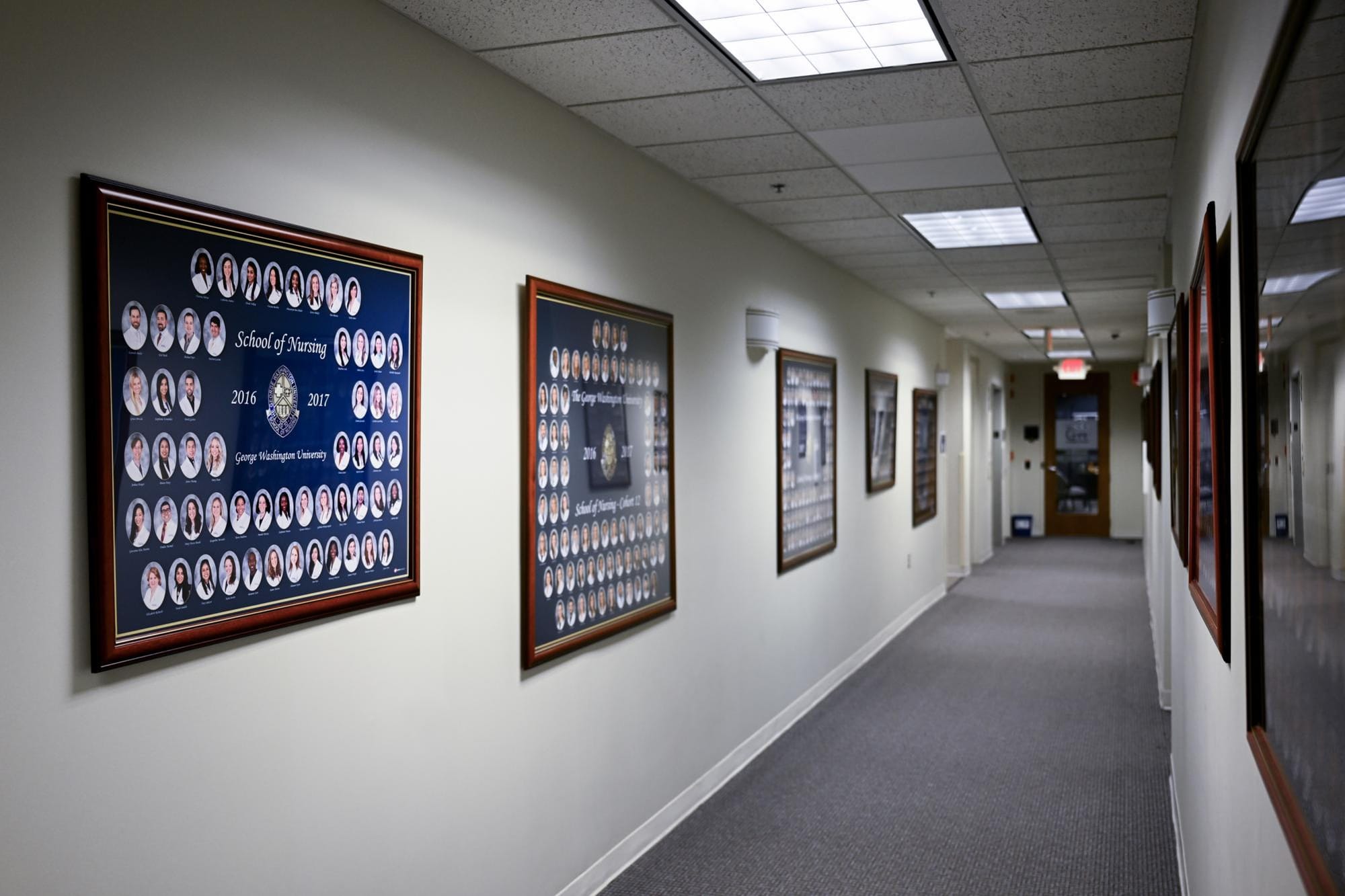
George Washington University's $427 million sale of its 122-acre Virginia Science and Technology Campus in Ashburn to Amazon Data Services is now generating the second-order questions that matter more than the headline price. Faculty and staff are full of questions after GW sidestepped community input on the deal, according to the GW Hatchet, and the central uncertainty is practical: where do the nursing school programs, research labs, and roughly 300 employees currently on that campus actually go?
The sale includes a five-year leaseback window — meaning GW can continue operating on the site while it figures out relocation — but five years is not long when you're moving accredited health science programs that require clinical partnerships, specialized facilities, and state regulatory approvals. Amazon, for its part, gets 122 acres in the heart of Data Center Alley at a moment when Loudoun County has eliminated by-right data center development and is writing Phase 2 zoning standards that could take effect this summer.
If the leaseback works as planned, GW gets half a decade of runway and Amazon gets a pipeline to hyperscale development on a site that's already zoned and serviced. If the relocation proves harder than expected — accreditation complications, faculty departures, clinical partnership disruptions — GW could find itself negotiating from weakness as the leaseback clock ticks down. The signal: watch whether GW announces a specific relocation site and timeline before the end of this academic year. Silence through summer means the university sold the land before it had a plan for the people on it.
This deal also matters as a market signal. At roughly $3.5 million per acre, it sets a new comparable for institutional land sales in Loudoun — and every university, church, and government agency sitting on acreage in the Dulles corridor is now doing back-of-envelope math.
⚡ What Most People Missed
- Spanberger's assault weapons decision is days away — and the gun industry has already drafted the lawsuit. FBI background check data shows roughly 23,000 more firearm purchase checks in Virginia in February 2026 than the same month last year, according to the Virginian-Pilot — a surge the National Shooting Sports Foundation attributes to buyers racing a potential ban. The NSSF says it's prepared to sue the moment Spanberger signs. Virginia is likely to become a major Second Amendment litigation venue, and the Eastern District of Virginia's rocket docket means any challenge moves fast.
- Virginia's collective bargaining expansion quietly left out public college faculty. The 2026 session expanded bargaining rights for more public employees, but according to VPM, faculty at George Mason, Virginia Tech, VCU, and UVA were carved out. That affects tens of thousands of employees and increases the likelihood of a push for inclusion before the next session opens.
- A Loudoun Reddit thread about a "loud droning hum" near Waxpool Road is the canary in the data center noise fight. Residents in r/nova pointed to a possible backup generator run at a nearby data center, with commenters noting Dominion's outage map showed a single data center outage in the area. No official confirmation yet, but if similar complaints stack up and someone brings decibel measurements to the Board of Supervisors, noise could become the next proffer demand in Loudoun's zoning fights.
- Eckert Seamans is downsizing its footprint in a move that captures the office market in miniature. Eckert Seamans signed a smaller lease at Riverfront Plaza, leaving one downtown tower for another — a pattern playing out across professional services as firms right-size for hybrid work. It's not a headline, but multiply it across a dozen mid-size tenants and you have a vacancy problem.
- The labor measures heading to Spanberger's desk are a bigger deal for Northern Virginia employers than anyone is discussing. According to the Virginian-Pilot, the package includes paid sick leave (one hour per 30 hours worked, up to 40 hours annually), a paid family leave insurance program launching in 2029, and a minimum wage increase to $15 over two years. For the dense contractor ecosystem around Tysons and Reston, this is a material change to operating costs arriving in the same fiscal year as the wage floor hike.
📅 What to Watch
- If Spanberger signs the assault weapons measure before April 23, the NSSF lawsuit could reach the Eastern District of Virginia within days — and the speed of that docket means a preliminary injunction ruling could land before the budget special session, turning gun policy into a live political variable during budget negotiations.
- If Richmond City Council trims the proposed utility tax hike during workshops, watch whether the 3% employee raise survives — that's the pressure valve, and cutting it would signal the city is prioritizing rate stability over workforce retention heading into a tight labor market.
- If Loudoun's joint schools-supervisors committee meeting today produces any public language about "revenue scenario planning," local officials are likely modeling what happens if the state data center tax exemption gets modified — and school staffing decisions (hiring, position allocations) could follow within weeks.
- If GW announces a relocation site for its Ashburn nursing and research programs before summer, the $427 million Amazon sale looks like strategy; if silence extends past June, it looks like the university sold the asset before solving the operational problem.
- If similar noise complaints to the Loudoun Reddit thread surface in Fairfax County — particularly near the Starwood parcel in Chantilly — expect noise and infrasound to become formal proffer demands in upcoming special exception hearings, adding cost and delay to projects that already face tighter zoning.
The Closer
A wakeboarding lake in Chesterfield unsticks itself from a $2.9 million lawsuit, a 122-acre campus in Ashburn gets sold out from under its own nursing school, and Richmond asks residents to pay $14 more a month so it can hold the property tax rate steady while the state can't even pass a budget.
Somewhere in Loudoun County, a backup generator is humming at 2 a.m. and a Reddit thread is doing the county planning commission's job for free.
See you tomorrow. —The Lyceum
If someone you know is trying to follow Virginia without reading 40 tabs a day, send them this.