The Table — Mar 13, 2026
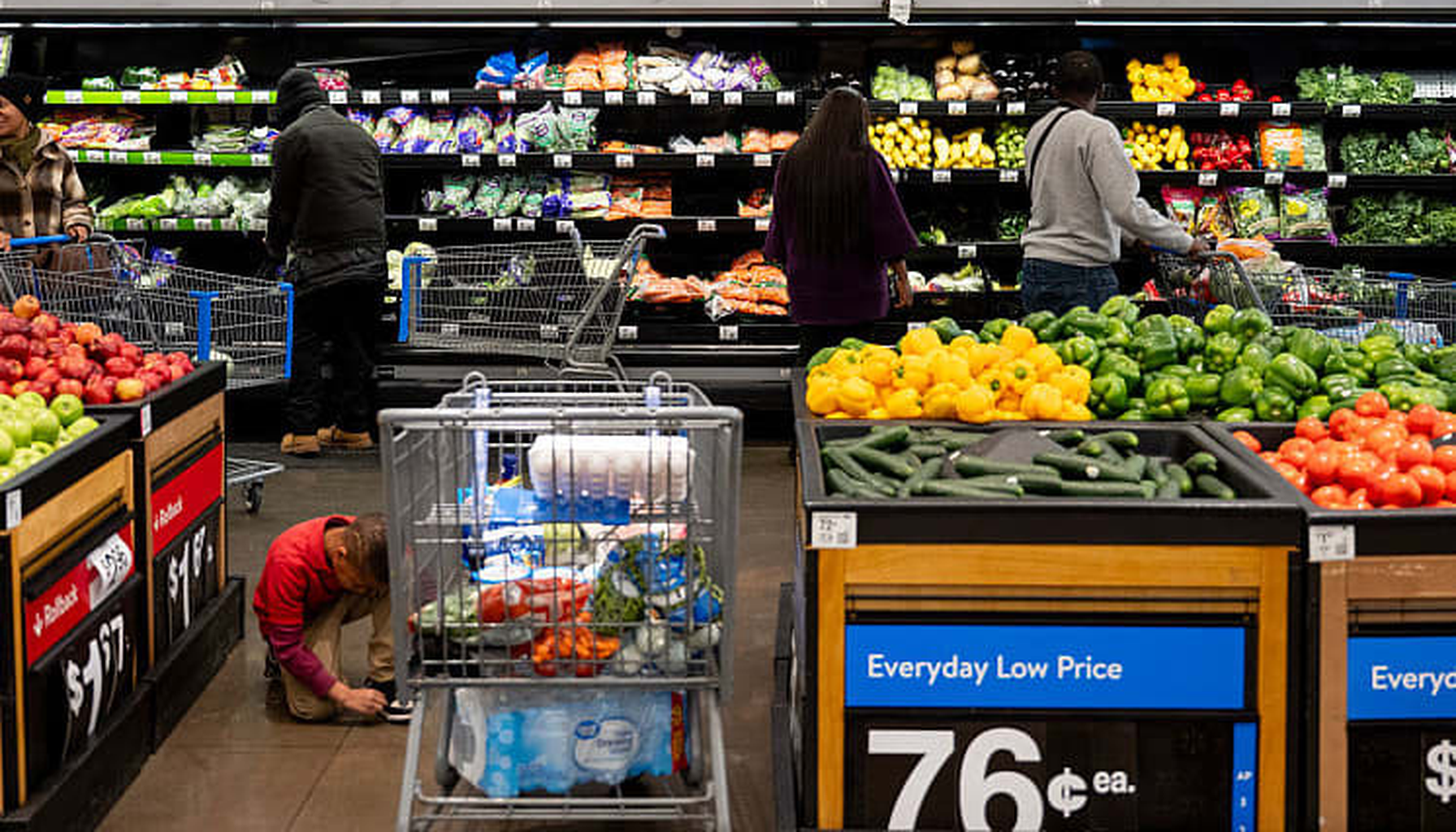
Photo: lyceumnews.com
Week of March 13, 2026
The Big Picture
The thing connecting your grocery bill, an Indian hotel with cold burners, and a corn farmer staring at a fertilizer invoice is the same narrow waterway: the Strait of Hormuz. A conflict-driven blockade has largely halted commercial traffic through the route since the Iran conflict escalated late last month. The timing is brutal: nitrogen fertilizer — made from natural gas, which is also spiking — accounts for 30 to 40 percent of a typical grain farmer's operating costs, and it needs to go into the ground now, not in June. With urea prices doubling since late last month, the concern is that farmers will under-apply nutrients this spring, which means a smaller global harvest come autumn.
This week is about what happens when the invisible inputs — fuel, nutrients, labor — get yanked out from under the food system all at once.
This Week's Stories
The Fertilizer Shock You Haven't Heard About Yet — But Will Feel at the Grocery Store
More than a third of globally traded fertilizer passes through the Strait of Hormuz, and commercial traffic through the route has largely halted since the Iran conflict escalated late last month. The timing is brutal: nitrogen fertilizer — made from natural gas, which is also spiking — accounts for 30 to 40 percent of a typical grain farmer's operating costs, and it needs to go into the ground now, not in June. With urea prices doubling since late last month, the concern is that farmers will under-apply nutrients this spring, which means a smaller global harvest come autumn.
The cascade is already visible in markets. Agricultural commodities rallied as traders priced in the disruption, and Southeast Asian nations began increasing palm oil reserves — a move that, if it spreads to wheat and corn, could trigger bidding wars between importing countries. The FAO's first 2026 crop report reinforces the picture: global cereal output looks stable on paper, but localized production losses and snarled logistics create acute food insecurity that quickly shows up in price spreads. What looks like a distant conflict story is a supply chain story that writes your grocery bill six to twelve months from now.
India's Cooking Gas Crunch Is Already Rewriting Hotel Menus
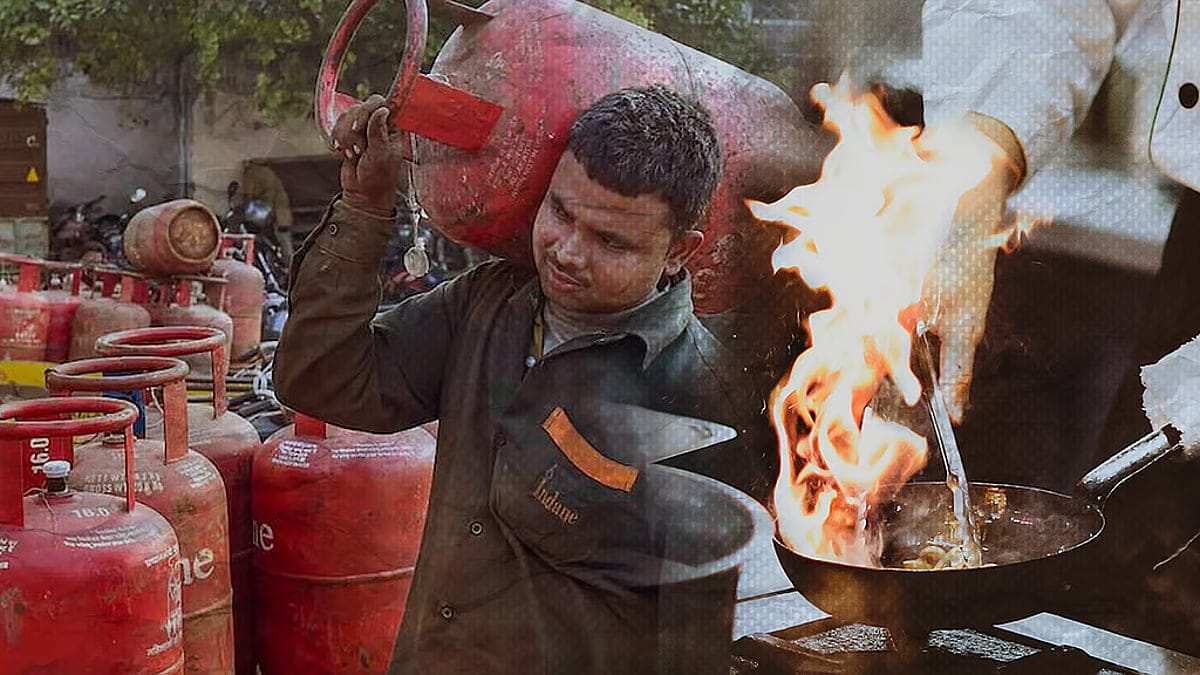
If you want to see geopolitics on a plate, look at a hotel breakfast buffet that ran out of dosa batter after burners went cold. Hotels and restaurants across Bengaluru, Chennai, and other Indian cities are cutting menus and warning of shutdowns as commercial LPG — the bottled fuel that powers most professional kitchens — dries up. The mechanism is simple: when gas imports are disrupted and governments prioritize subsidized domestic cylinders, the commercial ones hotels use disappear first.
In Kerala specifically, India's petroleum ministry issued a revised order diverting all available LPG to households, effectively halting commercial distribution. The Kerala Hotel & Restaurant Association says supply has "come to a standstill." For a professional kitchen, this isn't a matter of switching to electric — LPG provides controllable, intense heat that makes wok searing, tandoor work, and high-volume frying possible. Induction changes heat transfer physics (conduction versus open-flame convection), recovery times between batches, and even Maillard browning rates on flat-tops. The fine-grain physics of heat just became a policy problem. If this drags past March 2026, expect a wave of menu simplification and a crash course in induction cooking along India's major tourist corridors.
⚡ Soybean Futures Jump — and So Does the Price of Your Fry Oil

The next time a fried chicken spot adds a "temporary surcharge," it might trace back to this week's soybean charts. After USDA trimmed its outlook for Argentina's soybean harvest in the March WASDE report, soy futures popped and soyoil — the refined fat behind a huge share of commercial deep-fryers — jumped more than 2.7 percent overnight.
Here's where food science meets economics. Deep-frying relies on a stable fat that can hold around 180°C without breaking down. When oil prices spike, operators push oil longer between changes or blend in cheaper fats, which accelerates oxidation, creates off-flavors, and shifts the texture of anything crisp. That's why a basket of fries suddenly tastes waxy halfway through a bad oil cycle. Meanwhile, the same WASDE report pegged world corn ending stocks above expectations at 292.75 million metric tons — a surplus that keeps many input costs muted. The split personality of commodity markets right now: corn is cheap, soy is stressed, and your menu is caught in the middle. If the soy squeeze persists, watch for more roasted and braised items and fewer fried ones, especially at chains running on razor-thin margins.
The EU Deal That Actually Gives Farmers Power
While the Hormuz disruption is the immediate shock, a quieter structural development landed from Brussels. The European Council and Parliament reached a provisional agreement making written contracts between farmers and buyers a general requirement across the agrifood value chain — with provisions ensuring long-term contracts account for market fluctuations, cost changes, and economic conditions.
This matters beyond Europe because it's testing an intervention debated everywhere: what happens when farmers have legally enforceable contract rights instead of being price-takers at the bottom of a chain controlled by processors and retailers? The U.S. has no equivalent framework. American farmers — particularly in grain, dairy, and poultry — routinely operate under terms that heavily favor the processor. The European experiment with mandatory written contracts could become a reference point in the next round of Farm Bill negotiations, particularly as the fertilizer crisis highlights how exposed individual farmers are to cost shocks they can't pass through.
Why Your Toum Is Biting Back: The Garlic Chemistry Worth Understanding
If you've ever made toum — the Lebanese whipped garlic sauce that sits somewhere between condiment and revelation — and ended up with something that tasted like you'd rubbed the inside of your cheek with a raw clove, you're not alone. A thread in r/AskCulinary this week gathered 124 upvotes on exactly this problem, which turns out to be a window into one of the more interesting reactions in your kitchen.
The culprit is allicin, a sulfur compound that forms almost instantly when you damage garlic. Intact cloves store two substances separately: an enzyme called alliinase and a precursor molecule called alliin. The moment you slice or crush, they combine and produce allicin — the sharp, burning heat. The finer you cut, the more contact, the more fire. In toum, where you're blending entire heads of raw garlic into an emulsion (oil droplets suspended in liquid, held together by garlic's own natural phospholipids), you're generating maximum allicin.
The traditional fix is time and acid. Soaking peeled cloves in ice water for 30 minutes slows the enzymatic reaction before you blend. Lemon juice doesn't just balance flavor — its acidity actively neutralizes some sulfur compounds. And resting the finished toum in the fridge for 24 to 48 hours lets the degradation finish. The result is garlic that tastes like garlic — full, rounded, unmistakably present — without the punishment.
🍳 This Week's Featured Recipe or Technique
This week's featured technique: Cold-soak toum. Peel garlic, soak cloves in ice water for 30 minutes (change the water once), then blend with lemon juice, salt, and a slow stream of neutral oil until the emulsion holds like thick mayonnaise. The cold slows allicin production; the acid suppresses what's left. Refrigerate overnight before serving — the difference is structural, not cosmetic. A staple of Lebanese home cooking, documented extensively by food writer and chef Barbara Massaad in Mouneh, her essential guide to Lebanese preservation and pantry traditions.
⚡ What Most People Missed
- The EU smoke-flavoring ban arrives July 1, 2026 — and American shelves will feel it. The EU is prohibiting smoke flavorings in most food applications, forcing reformulation across sauces, snacks, and plant-based products. Multinational brands often reformulate for their largest markets first, and EU-compliant recipes frequently migrate to U.S. production lines. Watch for "naturally smoked" and "wood-fired" to proliferate on packaging as brands scramble for clean-label alternatives.
- AI is learning to design fermented flavors, and the timeline just shortened. A new review in Food Research International maps how machine learning is being applied to microbial datasets in fermentation — potentially making starter culture design programmable rather than inherited. Meanwhile, Reddit's r/fermentation is full of home cooks inoculating koji on oats and chickpeas, and a new compact incubator called the Planit POD is making precise fermentation accessible to any restaurant kitchen. Grassroots experimentation and academic research are converging faster than either expected.
- Today is the deadline for a billion dollars in specialty crop payments. March 13 is the USDA's acreage reporting cutoff for the Assistance for Specialty Crop Farmers program — the money that cushions growers of berries, herbs, niche vegetables, and orchard fruits. Federal funding tilting toward crop diversity instead of just corn and soy is what fills your farmers market with the "how have I never seen this before?" finds.
- A late frost in Mendoza damaged up to 20 percent of early-budding Malbec vines. Smaller vineyards with limited frost protection suffered the most damage. If you buy everyday Argentinian table wine, watch for tighter supply and higher prices on the 2026 vintage.
- Six Senses London created a dedicated fermentation expert role on its culinary team. Executive chef Eliano Crespi and fermentation specialist Jelena Belgrave are building fermentation into the hotel's F&B structure the way pastry was departmentalized a generation ago — a signal that koji and lacto-ferments are moving from cheffy affectation to permanent kitchen infrastructure.
📅 What to Watch
- If corn and soybean acreage drops significantly in USDA's spring planting intentions report (due in April), it would indicate the fertilizer squeeze translated into real planting decisions — tightening supplies of feed and milling-grade corn, lifting futures, increasing wholesale costs for pasta and feedgrain, pressuring meat processors' margins, and likely producing retail price increases by late summer.
- If the "Seat the Table" coalition secures sponsors and the Dignity Act is formally introduced in either chamber of Congress, it could create a semi-stable pipeline for back-of-house labor instead of permanent triage hiring — and chef-driven advocacy might push toward kitchen-specific visa categories down the line.
- If James Beard finalist nominations on March 31 confirm the semifinalist list's geographic spread — Bozeman, Lafayette, and other mid-size cities converting to finalists — it signals a genuine, durable decentralization of American culinary ambition, not a one-year courtesy.
- If Florida's $3.1 billion freeze losses show up in spring berry and citrus pricing, expect more "citrus flavor" on labels, greater reliance on imported concentrate for value brands, and higher early-season fruit prices between now and Easter.
- If NOAA's 15 percent Atlantic cod quota cut announced in March 2026 holds through the season, New England chefs will pivot harder to underutilized species like pollock — potentially shifting regional menus in ways that outlast the regulation itself.
The Closer
A 32-ounce stainless steel cup of ranch dressing sold as a luxury object; a hotel chef in Kerala staring at a cold tandoor wondering if induction can sear a naan; a chickpea sprouting in fake moon dirt because apparently that's where we're at.
Somewhere a Wingstop marketing intern and a NASA botanist are both writing the same grant proposal and neither knows it yet.
Until next week, cook what the calendar gives you.
If someone you know would find this useful, send it their way.